

Focus Areas
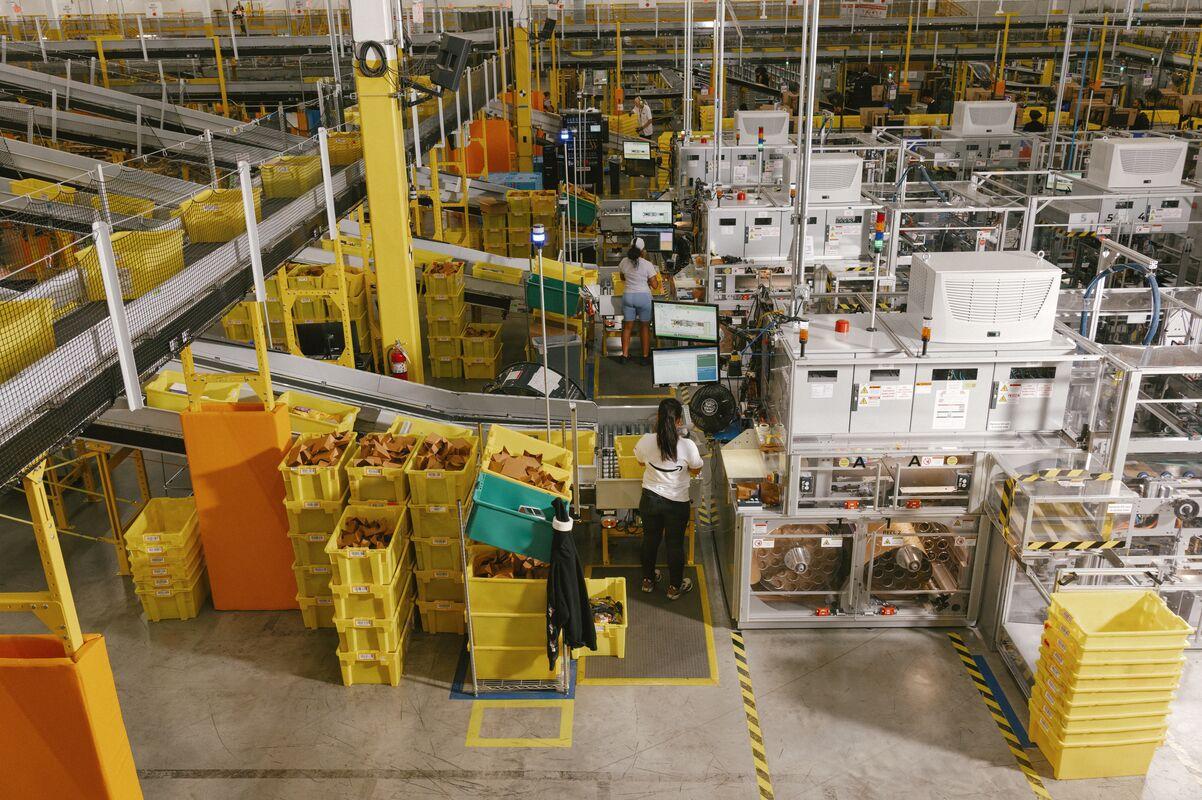
Material Handling Equipment (MHE) or Conveyance Decarbonization
Hardware and software solutions that reduce the carbon footprint of material handling equipment (MHE) and conveyance systems in warehouse, fulfillment, sortation, or delivery operations while maintaining associate safety, ergonomics, process quality, reliability, and cost-effective throughput.
Priority technologies include:
Material and design innovations using lower-carbon, recycled, and alternative materials, or that decrease overall steel requirements in buildouts (e.g. 90-95% recycled/green steel content and steel alternatives for structural components like frames, legs, elevated platforms, supporting structures, chutes)
Energy efficiency solutions (e.g. power transmission systems) that reduce frictional losses across conveyance systems, maintain compliance with local safety standards, and don’t require additional guarding (e.g. fencing)
Cost-effective high-efficiency motors (IE4, IE5) and compatible electrical components (e.g. variable frequency drives) with validated MHE and conveyance applications, prioritizing solutions with a pathway to hardware cost parity with IE3 motors
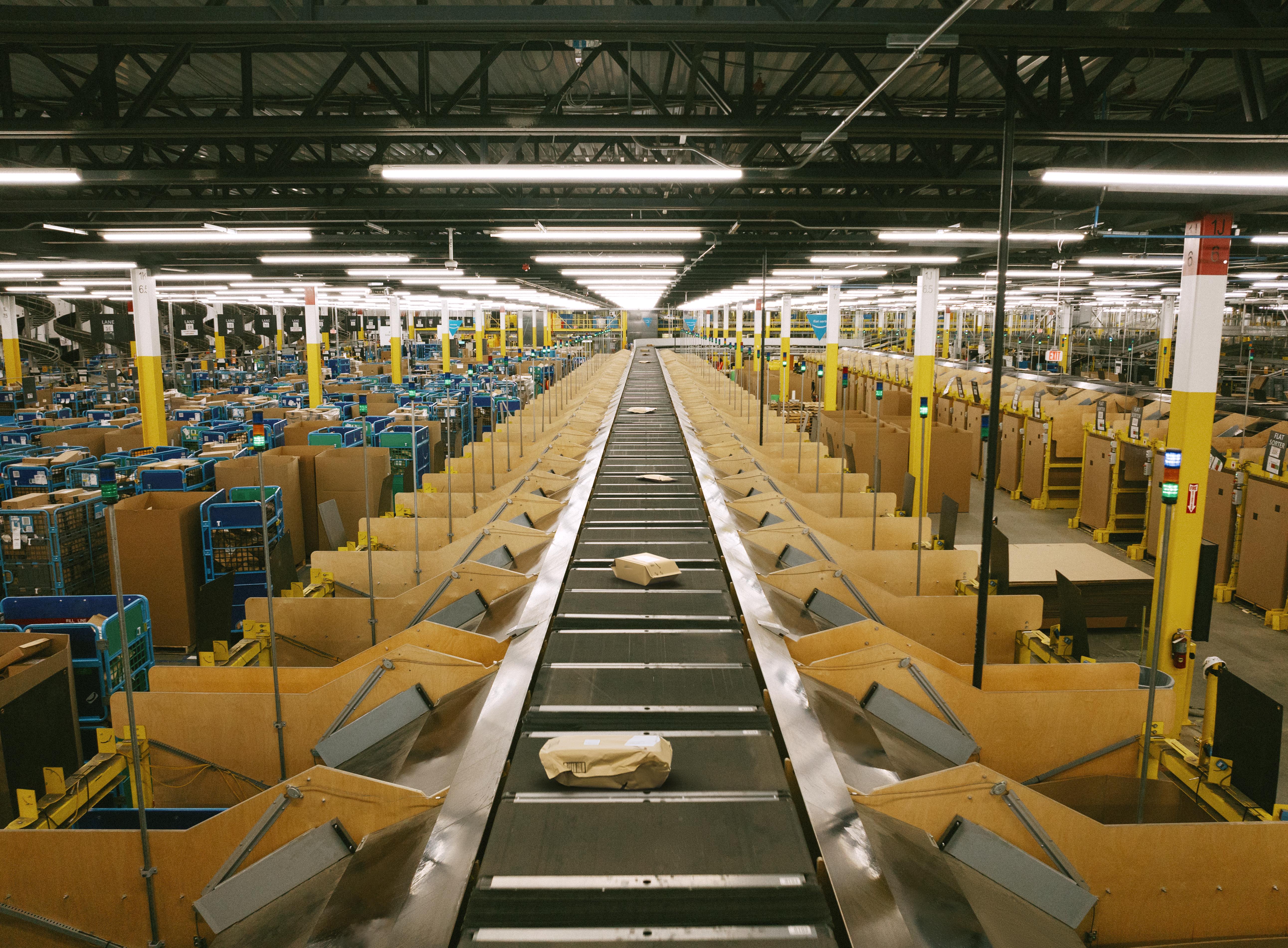
Innovative conveyor, parcel sortation, and MHE technologies that optimize processes and package flows while reducing carbon footprint
Process and operational optimization solutions, like AI-driven predictive controls for energy-efficient MHE operations and predictive maintenance; intelligent control systems enabling real-time equipment communication
AI solutions that harmonize MHE data to generate Product Carbon Footprint datasets, or optimize processes and package flows
Note: See FAQs for more information on MHE and conveyance systems used in Amazon operations.
Lower-Carbon Fuels for Hard-to-Decarbonize Transportation Applications
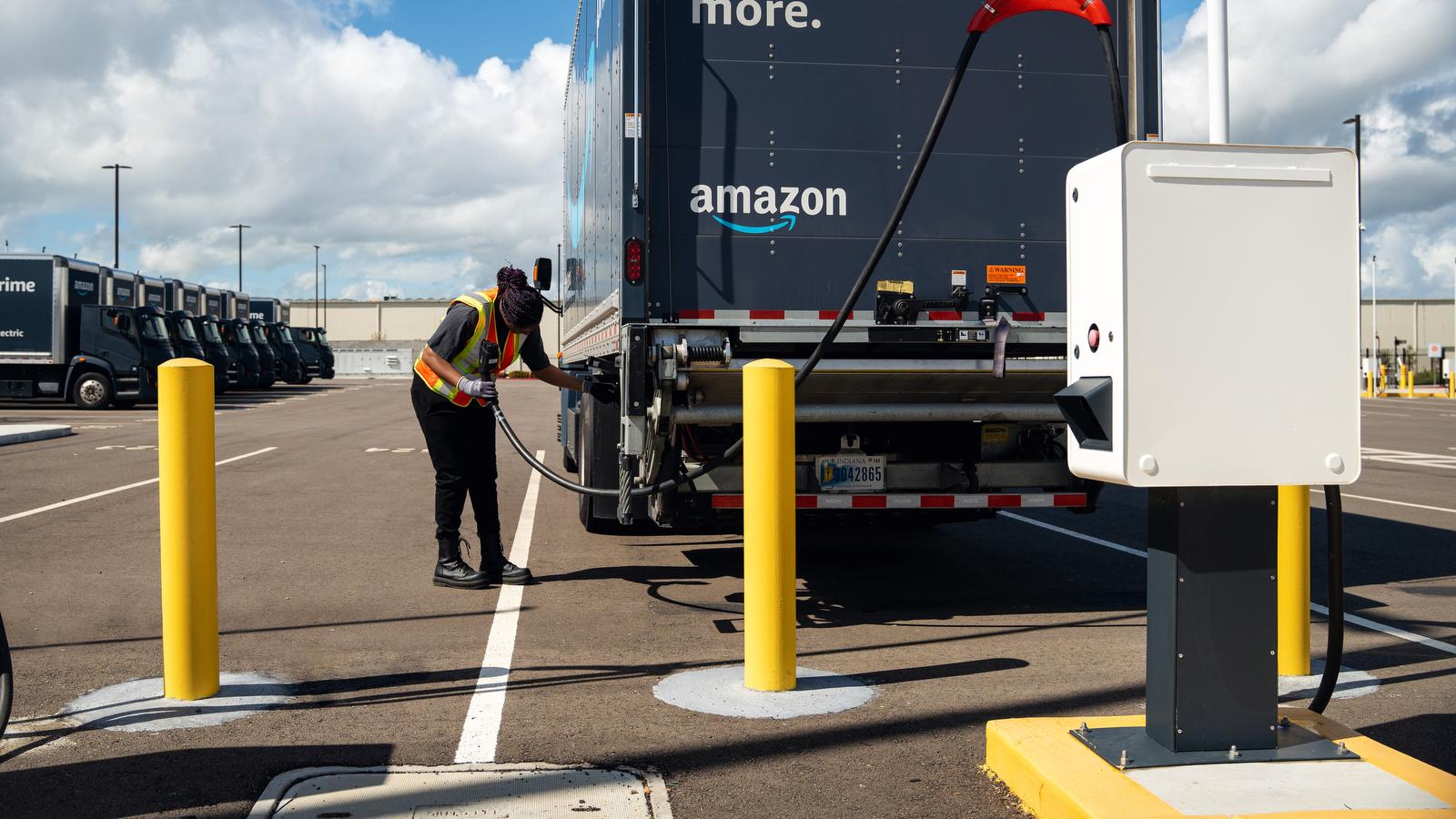
Breakthrough lower-carbon fuel solutions for hard-to-abate transportation applications like long-haul trucking, maritime, and aviation, achieving 90% carbon intensity (CI) reduction compared to conventional fuels and with a pathway to price parity with conventional fuels before 2040.
We prioritize solutions that are:
Electrofuels (e-fuels) produced using direct and intermittent renewable power: any e-fuel type (e.g. e-methanol, e-sustainable aviation fuel (e-SAF), e-diesel, e-gasoline) produced using direct current from intermittent renewable sources (e.g. solar, wind) independent of the power grid with minimal or no battery storage requirements
Other lower-carbon fuel pathways: Any fuel type that will achieve 90% CI reduction at price parity with conventional fuels before 2040, excluding first-generation crop and palm oil feedstocks.
Waste Optimization
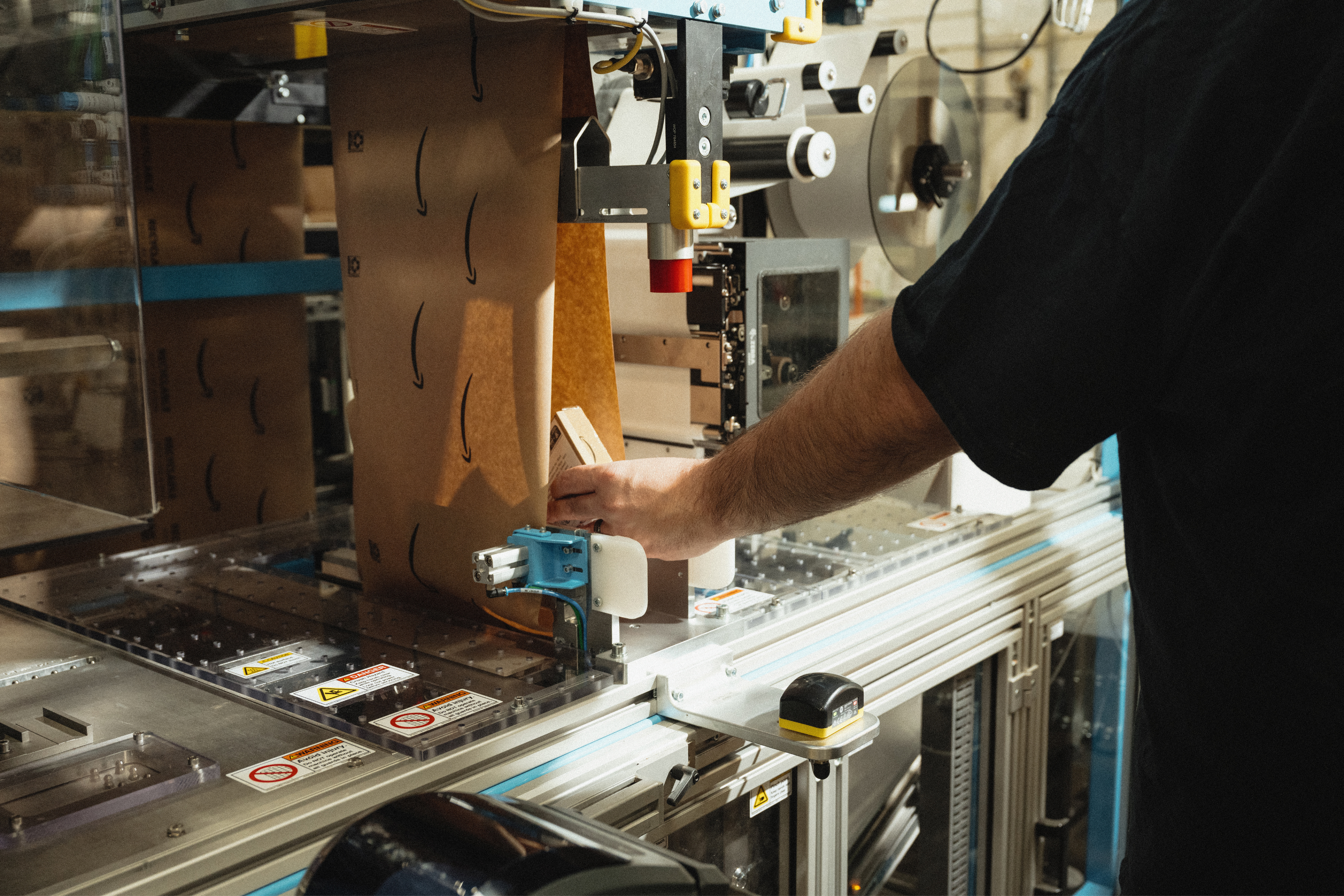
Cost-effective technologies addressing operational and inventory waste prevention and diversion across Amazon facilities, from upstream materials innovation to downstream sorting and management.
We're particularly interested in:
Material separation technologies that efficiently separate multi-material items (e.g. removing food from packaging, depackaging chipboard boxes) and route components to appropriate waste streams with minimal manual intervention
Robotics and AI-powered sorting solutions that automate waste stream identification and decision-making for operational and inventory waste (e.g. cardboard, packaging, damaged goods, donations), with real-time reporting and analytics
Product tracking innovations (e.g. product passports, RFID solutions) that provide material composition data for waste disposition decisions
On-site recycling and circular economy innovations that enable material recovery and reuse, with emphasis on solutions that can scale to diverse geographic locations across the U.S. and Canada, including rural areas
Material innovations that leverage existing recycling pathways, including adhesive-free labels, paperless tracking solutions, and alternatives to small plastics and plastic wrap
Note: Waste optimization solutions should offer applications for Amazon facilities rather than post-consumer waste and packaging.
Wildcards
We welcome transformative technologies that don't fit neatly into the above categories but demonstrate clear sustainability benefits and business value for Amazon's North America Operations. Wildcard proposals must articulate a compelling use case and measurable impact at scale.
Note on Technology Readiness: We welcome applications from technologies at various maturity levels. Validated solutions (TRL 6-8+) may be considered for direct pilots at Amazon facilities in 2027 or later, while earlier-stage technologies may work with Amazon on an appropriate technical due diligence pathway. See the Eligibility tab for full details.
